KLA Properties

Categories
Blog Posts

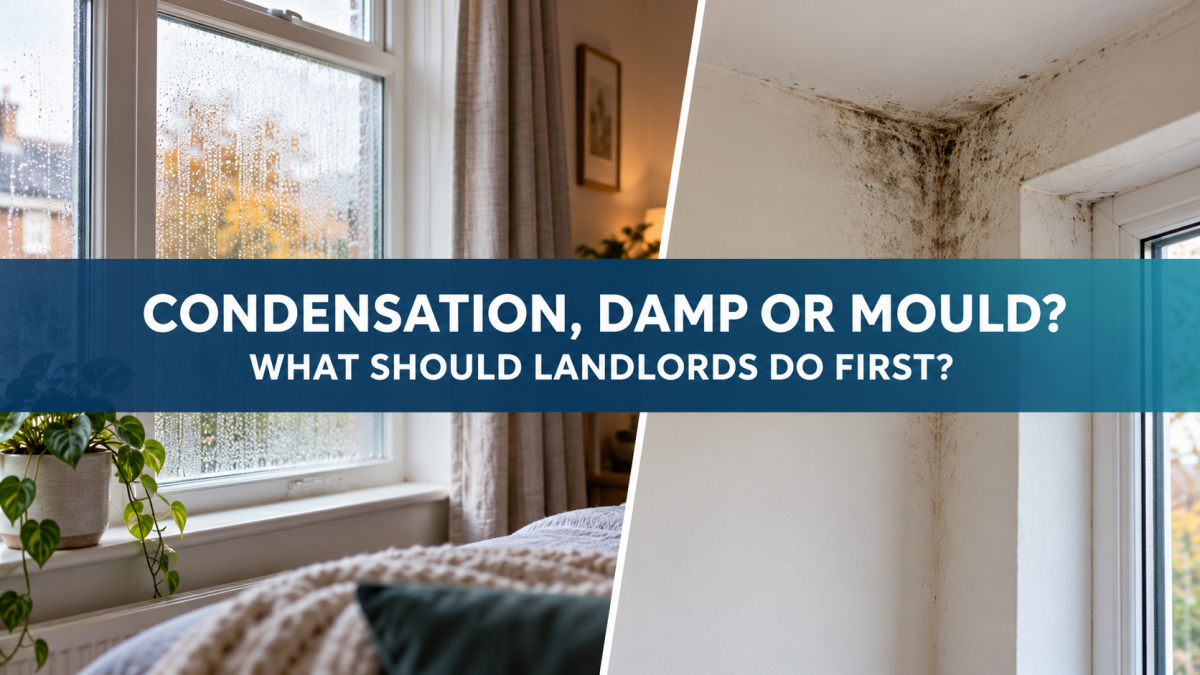
Condensation, Damp or Mould: What Should Landlords Do First?

Condensation, Damp or Mould: What Should Landlords Do First?

A tenant sends you a photograph of a black patch around the bedroom window.

What happens next matters.

It might be condensation. It could be water getting in from outside. There may be a leak, a ventilation problem or several issues working together.

What it should not become is a debate over blame before anyone has properly looked at the property.

Damp and mould can affect a tenant’s health and damage the property. The sooner the cause is understood, the sooner the right action can be taken.

Start by taking the report seriously

A report of damp or mould should be acknowledged promptly.

Ask the tenant for enough information to help you understand what is happening, but do not turn the conversation into an interrogation.

Useful questions include:

  • Where has the problem appeared?
  • When was it first noticed?
  • Has it become worse?
  • Does it change after heavy rain?
  • Is there a leak, dripping pipe or overflowing gutter nearby?
  • Is the room difficult to heat?
  • Are the extractor fans working?
  • Has any furniture or decoration been damaged?
  • Does anyone in the property have health concerns that may make the situation more urgent?

Photographs and videos are helpful, but they will not always reveal the cause. In many cases, someone needs to inspect the property.

Damp, condensation and mould are not the same thing

These terms are often used as though they mean the same thing, but they describe different parts of the problem.

Condensation happens when moisture in the air meets a colder surface. It is commonly seen on windows, external walls and in rooms where moisture is produced.

Damp describes unwanted moisture within the property. This can be caused by leaking pipes, damaged roofs, defective guttering, water penetrating through walls, problems at ground level or other building defects.

Mould is a growth that develops where moisture remains present. It is a visible sign that the conditions around it need attention.

The important question is not simply, “How do we clean this off?”

It is, “Why is moisture collecting here in the first place?”

Do not assume it is the tenant’s fault

Cooking, showering, drying washing and even breathing all add moisture to the air. Tenants can help manage this by using extractor fans, keeping vents clear and heating and ventilating the property sensibly.

That does not mean every damp or mould problem is caused by how somebody lives.

A room may be difficult or expensive to heat. An extractor fan may not be working properly. A window may have been fitted without suitable ventilation. There may be a hidden leak, failed sealant or water entering through damaged brickwork.

Telling a tenant to open a window is not a proper response if the underlying problem is a leaking roof.

Give sensible advice where it is relevant, but investigate the condition of the property as well.

Arrange an inspection

An inspection should look beyond the visible patch.

Check:

  • External walls, pointing and render
  • Roof coverings, flashing and chimney areas
  • Gutters, downpipes and drains
  • Window frames, seals and trickle vents
  • Extractor fans and ventilation
  • Heating controls and radiators
  • Plumbing around sinks, toilets, showers and baths
  • Sealant and grout in wet areas
  • Ceilings, corners and chimney breasts
  • Areas behind furniture on external walls
  • Any previous repairs in the same location

The pattern of the moisture can offer clues, but the cause is not always obvious. Persistent or extensive problems may need to be assessed by a suitably qualified contractor or specialist.

KLA Properties can support landlords with property inspections and ongoing property management across East Sussex.

Deal with the source, not just the surface

Cleaning visible mould may be necessary as an immediate step, but it is not the whole repair.

If the cause is a damaged gutter, leaking pipe, faulty extractor fan or failed seal, that issue must also be dealt with. Otherwise, the mould is likely to return.

The same applies to decorating. Fresh paint may make the room look better for a short time, but it should not be used to hide an unresolved problem.

A proper response may involve:

  • Repairing leaks
  • Clearing or repairing gutters
  • Improving ventilation
  • Repairing or replacing an extractor fan
  • Renewing damaged sealant
  • Addressing defective pointing or render
  • Improving heating controls
  • Repairing windows or doors
  • Removing mould safely
  • Allowing affected areas to dry before redecoration

The answer will depend on what the inspection finds.

Keep a clear record

Good records protect the tenant, the landlord and the property.

Record:

  • When the problem was reported
  • What the tenant described
  • Photographs or videos supplied
  • When the report was acknowledged
  • Any questions asked
  • Inspection findings
  • Contractors contacted
  • Repairs authorised and completed
  • Advice given to the tenant
  • Follow-up communication
  • Whether the problem returned

This is particularly helpful if the cause is complicated or the same area has been affected before.

It also means the landlord is not relying on memory several months later when trying to establish what happened.

Keep the tenant informed

Silence causes unnecessary frustration.

Even if a contractor cannot attend immediately, let the tenant know the report has been received and what will happen next.

If access is needed, arrange it properly. If more than one visit is required, explain why. If a repair depends on dry weather, specialist parts or further investigation, keep the tenant updated.

Good communication does not repair the property, but poor communication can make an already difficult situation much worse.

Check the problem has actually been resolved

A completed contractor visit does not always mean the issue is finished.

Once the repair has had time to work and the affected area has dried, follow up with the tenant. Check whether the damp or mould has returned and arrange another inspection if necessary.

Government guidance on damp and mould in rented homes recommends checking the property at least six weeks after remedial work to make sure the problem has been resolved.

If it has returned, further investigation is needed.

What should landlords do first?

If you receive a report of damp, condensation or mould:

  1. Acknowledge it promptly.
  2. Ask for photographs and useful background information.
  3. Consider whether anyone’s health or safety makes the situation particularly urgent.
  4. Arrange an inspection.
  5. Identify the underlying cause.
  6. Complete the necessary repair or remedial work.
  7. Keep written records and communicate with the tenant.
  8. Follow up to check that the problem has not returned.

The biggest mistake is deciding what caused the problem before gathering the evidence.

Early action protects people and property

Damp and mould rarely improve by being left alone.

A small leak can spread. Damaged decoration can become damaged plaster. A minor ventilation problem can become a recurring issue that affects the tenant’s comfort and the condition of the property.

With over 20 years of local property experience, Kirsty and the KLA Properties team understand that good property management means investigating concerns properly, coordinating the right work and keeping everyone informed.

KLA Properties supports landlords across Hailsham, Eastbourne and wider East Sussex with property inspections, maintenance coordination, compliance support and ongoing property management.

Concerned about damp or mould in a rental property? Contact KLA Properties for clear, practical advice.

Office: 01323 405240
Email: info@klaproperties.co.uk
Website: www.klaproperties.co.uk

Categories
Blog Posts

Is Your Rental Property Ready for Autumn and Winter?

Is Your Rental Property Ready for Autumn and Winter?

A loose roof tile in September can become a leak in November. A gutter that is already full of leaves will not cope well with several days of heavy rain. A boiler that has been making an unusual noise rarely chooses a convenient time to stop working. Autumn is the right time to work through a rental property winter checklist and deal with the smaller jobs that are easy to miss during the warmer months. It is not about preparing for every possible emergency. It is about spotting the obvious risks before colder, wetter weather turns them into expensive repairs and unhappy phone calls.

Start outside the property

Many winter maintenance problems begin outside, so that is where I would start. Check the roof from ground level for slipped, cracked or missing tiles. Look at the guttering and downpipes for blockages, leaks or joints that have started to separate. Water needs somewhere to go. If gutters overflow or downpipes are blocked, it may run down the walls, collect near the foundations or find its way into the property. It is also worth checking:
  • External walls for cracks or damaged pointing
  • Flat roofs for visible damage or standing water
  • Fences and gates for loose panels or fixings
  • Paths and steps for cracks, movement or slippery surfaces
  • Outside lights
  • Drains and gullies
  • Window frames and external doors
These are not glamorous jobs, but catching a problem early is usually simpler and cheaper than dealing with it after months of wind and rain. If work is needed, KLA Properties can help arrange and oversee property maintenance across East Sussex.

Check the heating before it is needed every day

The first cold morning is not the ideal time to discover that the heating is not working properly. Ask the tenant whether the boiler, radiators and thermostat are working as expected. If a service, repair or safety check is due, arrange it with a suitably qualified professional rather than waiting for a fault. Pay attention to comments such as:
  • “The radiator in the back bedroom never gets very warm.”
  • “The boiler pressure keeps dropping.”
  • “The thermostat only works sometimes.”
Those details matter. They may point to a straightforward problem that can be dealt with now, before the heating system is under greater pressure. Landlords should also make sure that tenants know how to use the heating controls. A short explanation can prevent confusion, particularly where controls are digital, recently installed or unfamiliar.

Look for early signs of water getting in

A small stain, bubbling paint or damp patch should not be dismissed simply because it feels dry on the day of an inspection. Look around ceilings, external walls, window reveals and chimney breasts. Check beneath sinks and around baths, showers and toilets for slow leaks or damaged sealant. The cause is not always obvious. What looks like condensation may be linked to ventilation, heating, a leak or water entering from outside. Painting over the mark will not solve the underlying issue. Ask the tenant when they first noticed it, whether it changes after heavy rain and if it has become worse. Good questions can save a great deal of guesswork.

Talk about condensation without blaming the tenant

Condensation often becomes more noticeable as temperatures fall and windows stay closed for longer. Tenants can help by using extractor fans, keeping trickle vents open, heating the property sensibly and reporting problems early. Landlords also need to take reports seriously and consider the condition of the property, its ventilation and any possible maintenance issues. The most useful approach is a practical conversation, not an automatic assumption about who is at fault. If a tenant reports mould, repeated condensation or a persistent damp smell, investigate it properly and keep a record of what was reported and what action was taken.

Test the things that protect the property and its occupants

Autumn is a sensible point to check that smoke alarms and carbon monoxide alarms are present where required and working correctly. It is also a good opportunity to review the property’s safety and maintenance records. Check when inspections, certificates or servicing are due rather than relying on memory or waiting for a deadline to appear. Requirements can change, and the right action will depend on the property and tenancy. If you are unsure what applies, take current professional advice. KLA also offers practical consultancy and guidance for landlords who need help understanding what needs attention.

Pay attention to doors and windows

Cold draughts are uncomfortable for tenants and can make a property harder to heat. Check that external doors and windows close correctly, locks work, seals are intact and there are no obvious gaps. Stiff hinges, damaged handles and worn seals are often relatively small repairs, but they make a noticeable difference during winter. Do not forget communal entrances, sheds, garages or other areas included with the tenancy.

Make it easy for tenants to report a problem

Tenants are often the first people to notice a change in the property. They may hear water dripping, see a new mark on the ceiling or notice that a room is taking longer to warm up. They need to know how to report it and what information will help. Useful details include:
  • Where the problem is
  • When it started
  • Whether it is getting worse
  • Any photographs or video
  • Whether water or electricity is involved
  • Whether the problem affects heating, hot water or security
Clear communication helps everyone. The tenant knows their report has been received, and the landlord has better information to decide what needs to happen next.

Keep a record of what you find

A quick inspection is much more useful when it is documented. Make a note of the property’s condition, photograph anything that needs monitoring and record any repairs that are arranged. If a tenant raises a concern, keep a clear record of the report, your response and the work completed. This creates a practical maintenance history and makes it easier to see if the same issue returns. For landlords who do not want every inspection, repair and tenant query landing on their own to-do list, KLA provides lettings and property management support.

Do not wait for the weather to find the weak spots

Good property management is often about acting before something becomes urgent. An autumn check cannot prevent every winter repair, but it can uncover loose guttering, tired sealant, early signs of a leak or a heating issue while there is still time to deal with it properly. KLA Properties supports landlords across Hailsham, Eastbourne and wider East Sussex with inspections, maintenance coordination, compliance support and ongoing property management. If you are unsure what needs attention before winter, contact KLA Properties for clear, practical advice. Office: 01323 405240 Website: www.klaproperties.co.uk
Categories
lettings

Mayfield Court, Heathfield TN21

Bright lounge diner in one bedroom flat to rent at Mayfield Court Heathfield
Beds 1
Baths 1
Flat
Off Street
£900 PCM
1 Bedroom Flat to Rent
Mayfield Court, Heathfield TN21
Property Description

Available from 19th August 2026.

Register your interest

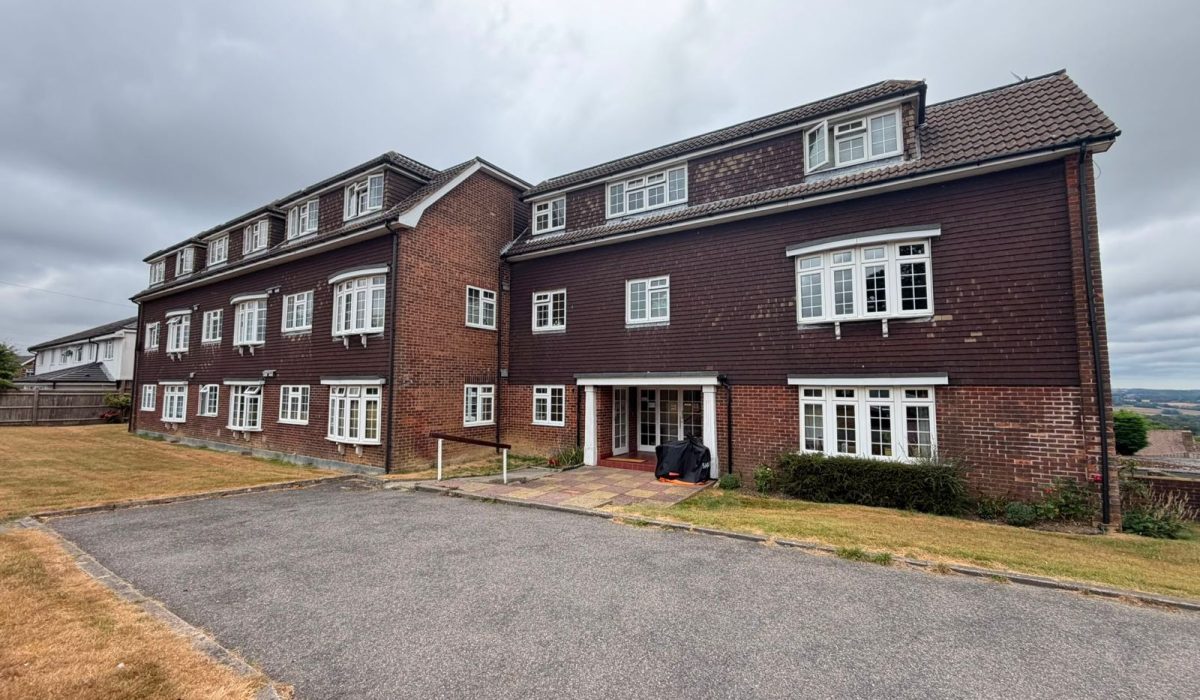
A bright and spacious one-bedroom, purpose-built ground floor flat situated in the village of Broad Oak, Heathfield.

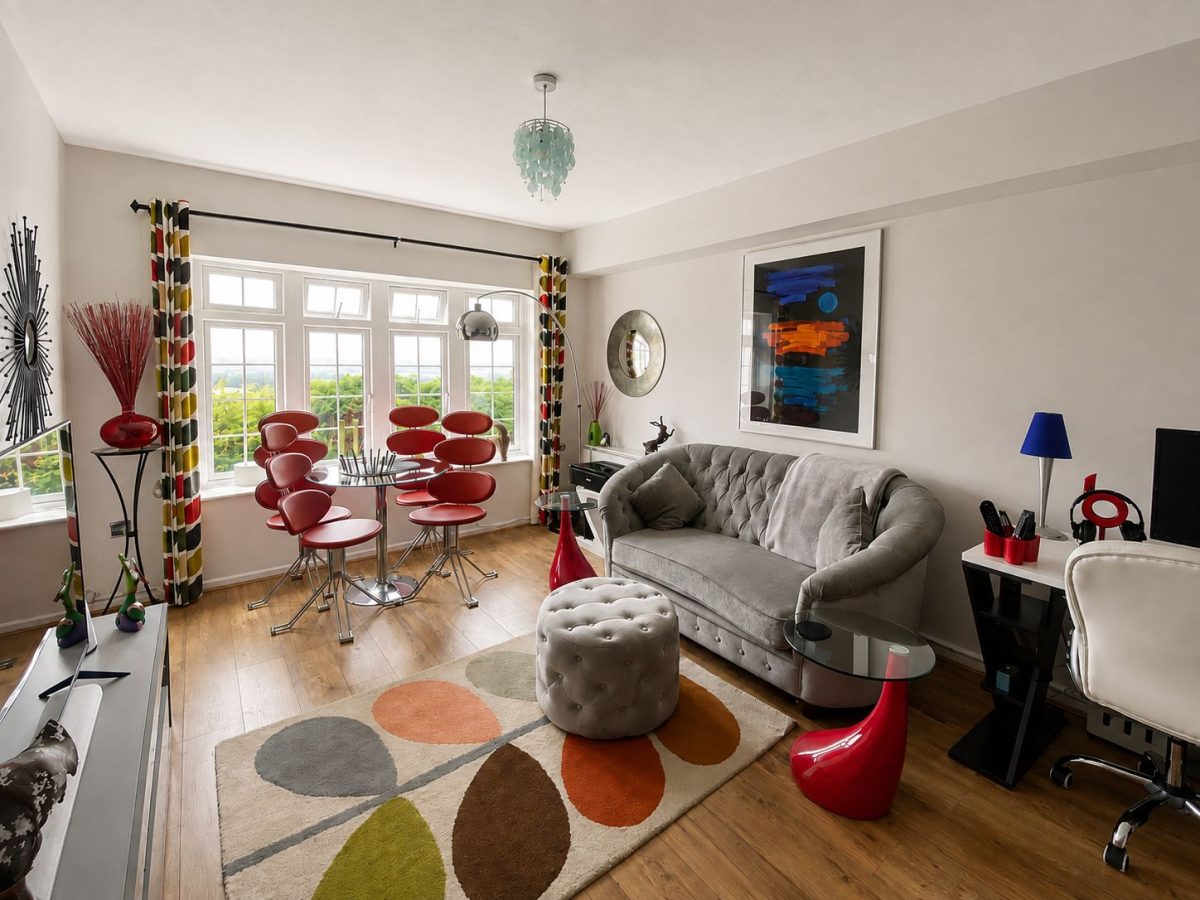
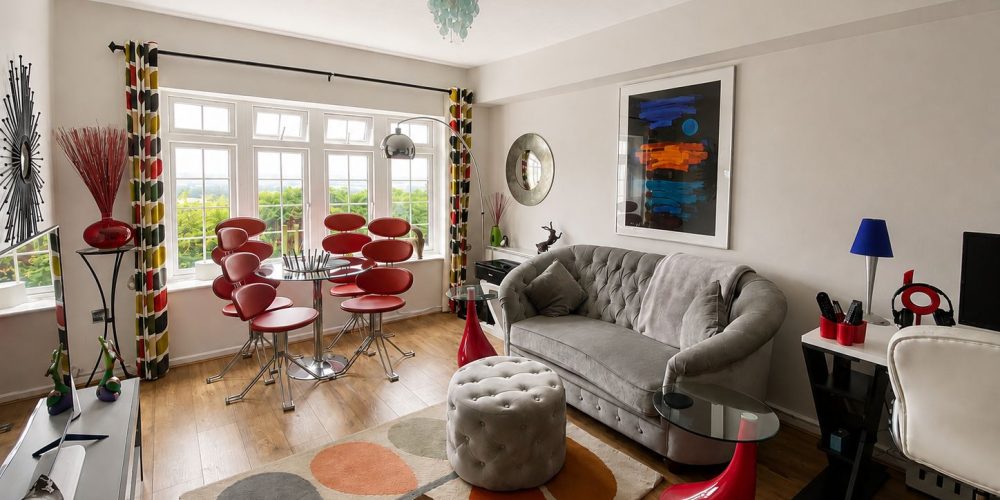
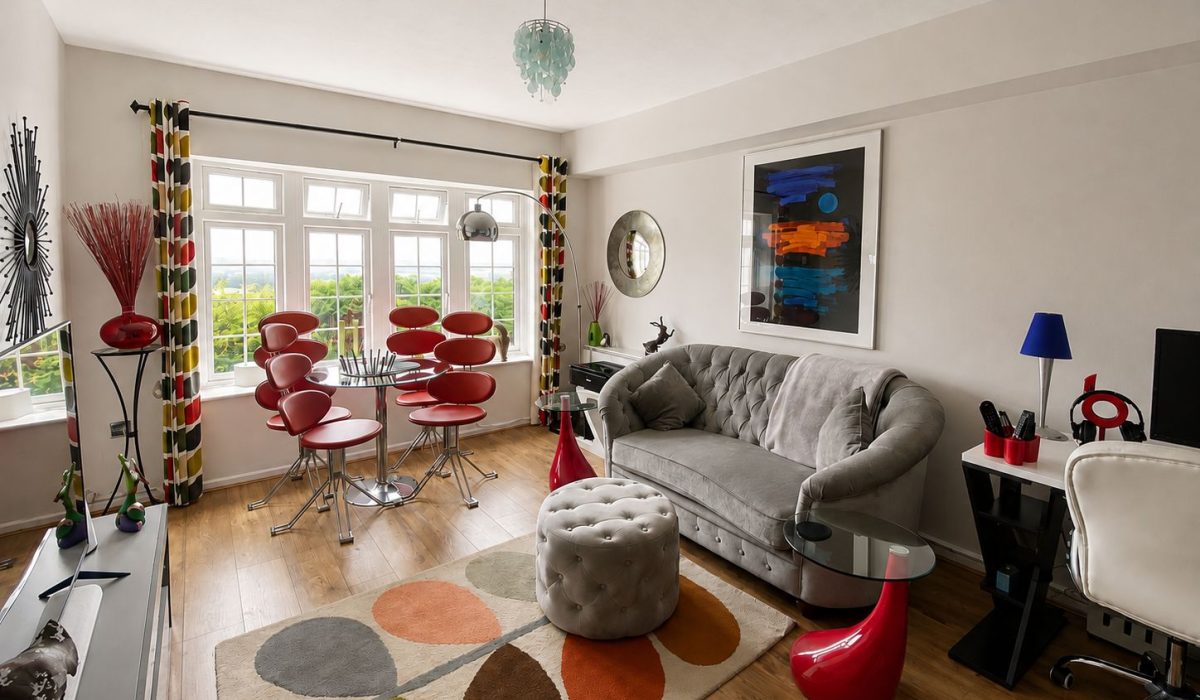
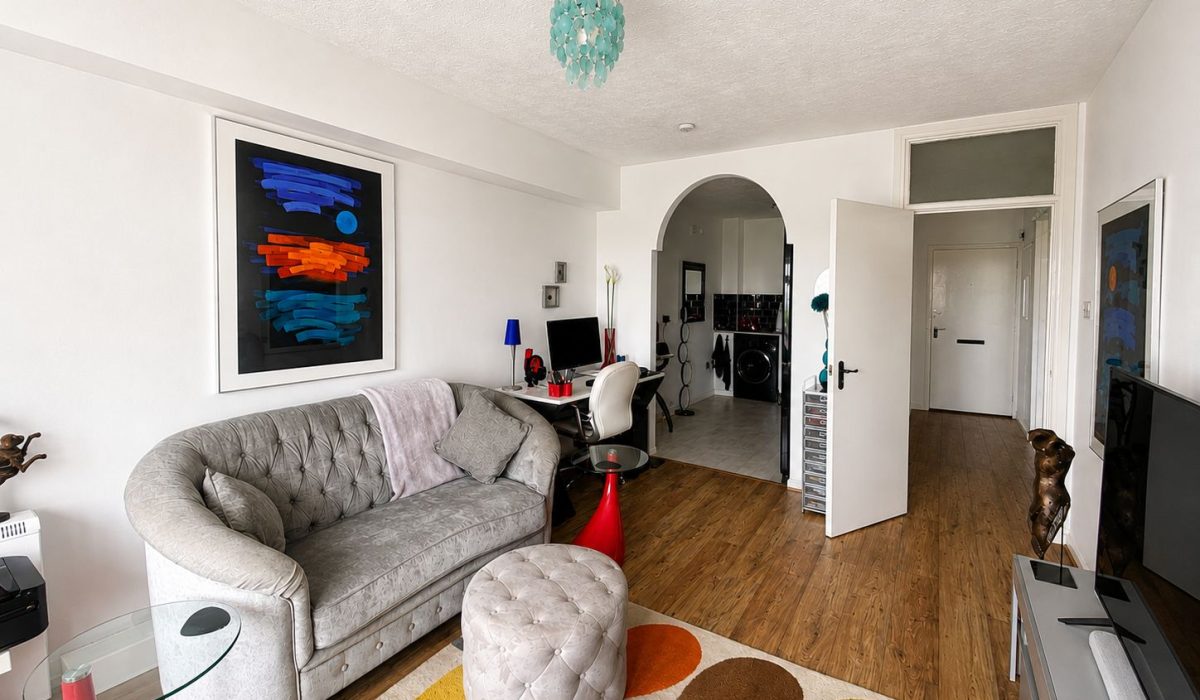
The property offers a good-sized lounge/diner with countryside views, a separate modern fitted kitchen, one bedroom with built-in wardrobe, bathroom and entrance hallway with storage. The flat is neutrally decorated throughout and benefits from wood flooring, double glazing, upgraded electric radiators and allocated parking to the rear of the building.

This property is offered unfurnished and is available on a long-term let.

More Details

Council tax band B – £2,122

Hallway

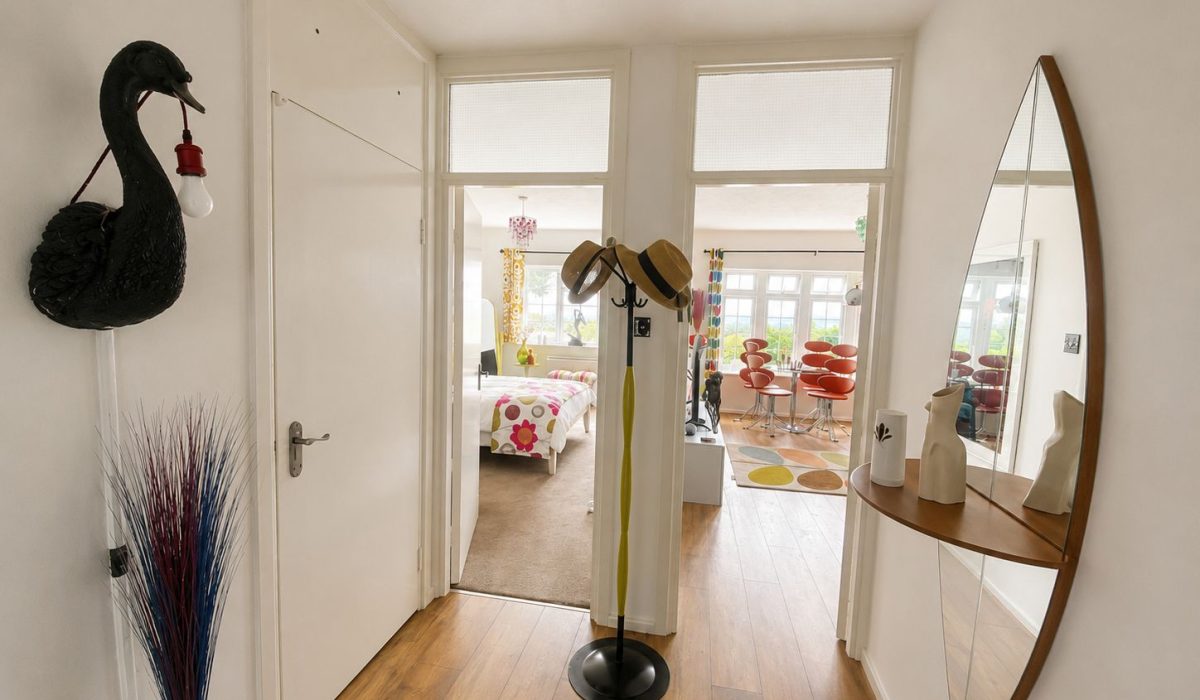
A practical entrance hallway providing access to all rooms. The hallway has wood flooring, an electric radiator and a built-in storage cupboard, giving the flat a useful and organised entrance space.

Lounge/Diner/strong>

15′ 6″ x 11′ 1″

A bright lounge/diner with a uPVC double glazed window to the rear elevation and countryside views. The room offers space for both living and dining furniture, with wood flooring, an electric radiator and a ceiling pendant light. An archway leads through to the kitchen, keeping the space open while still giving the kitchen its own defined area.

Kitchen

11′ 6″ x 7′ 9″

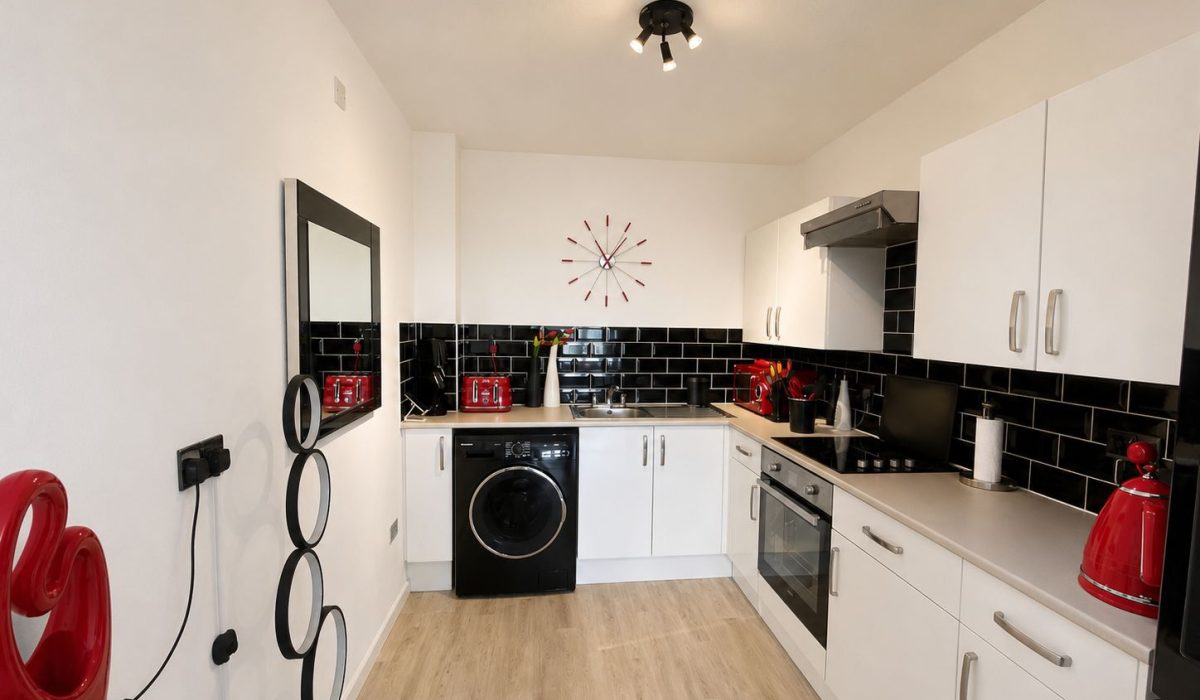
A modern fitted kitchen with a range of white wall and base units, black tiled splashbacks and practical worktop space. The kitchen includes an inset electric hob with extractor over, oven, space and plumbing for a washing machine, space for a full-height fridge/freezer and lino flooring.

Bedroom

15′ x 6″

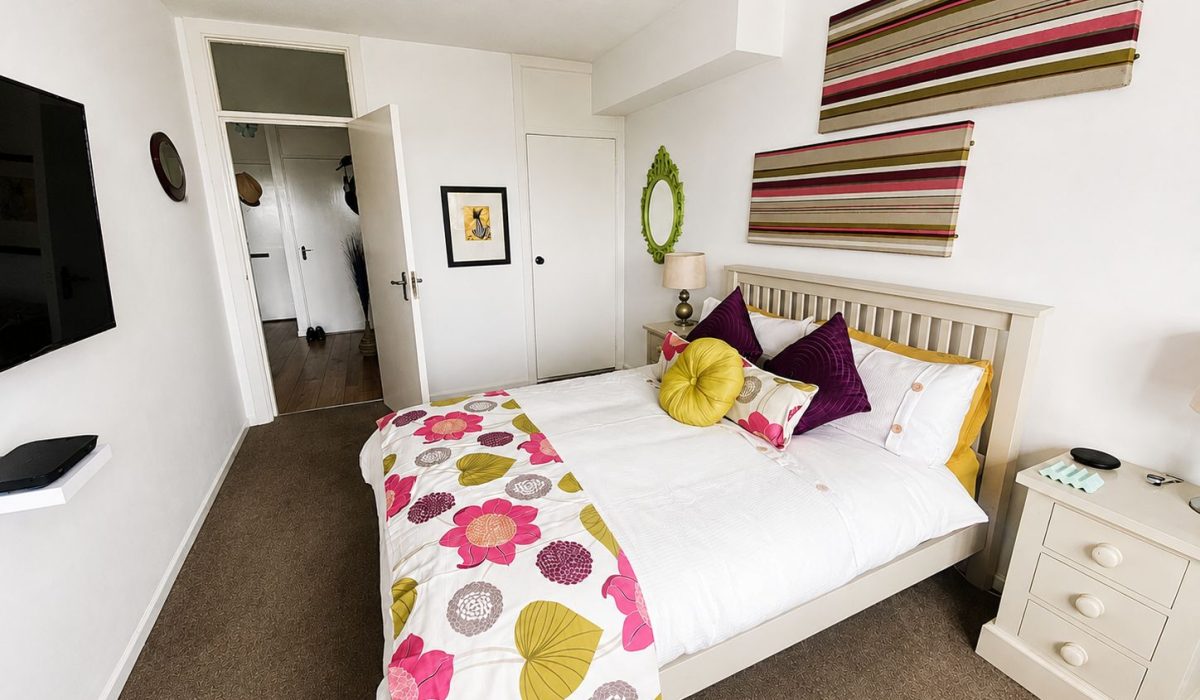
A bedroom with a uPVC double glazed window to the rear elevation, electric radiator and ceiling pendant light. The room also benefits from a built-in single wardrobe, helping to provide useful storage without taking up extra floor space.

Bathroom

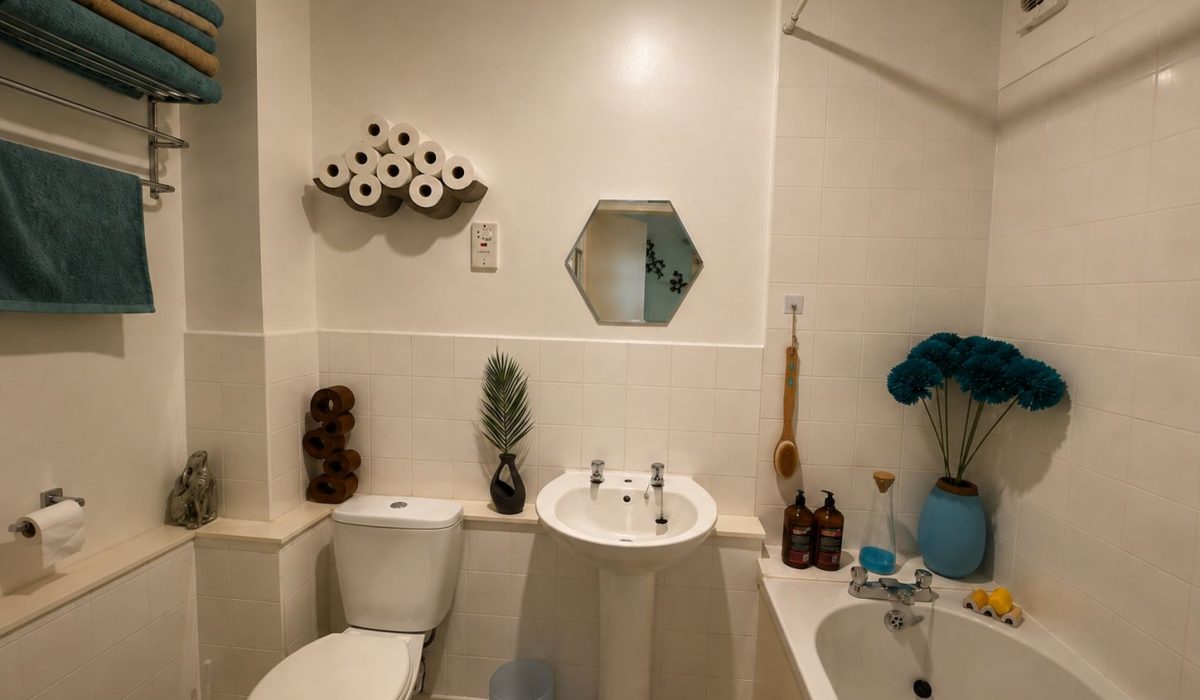
A bathroom fitted with a white suite comprising a panelled bath with electric shower over, pedestal wash hand basin and close coupled WC. The room also includes half tiled walls, extractor fan and lino flooring.

Parking

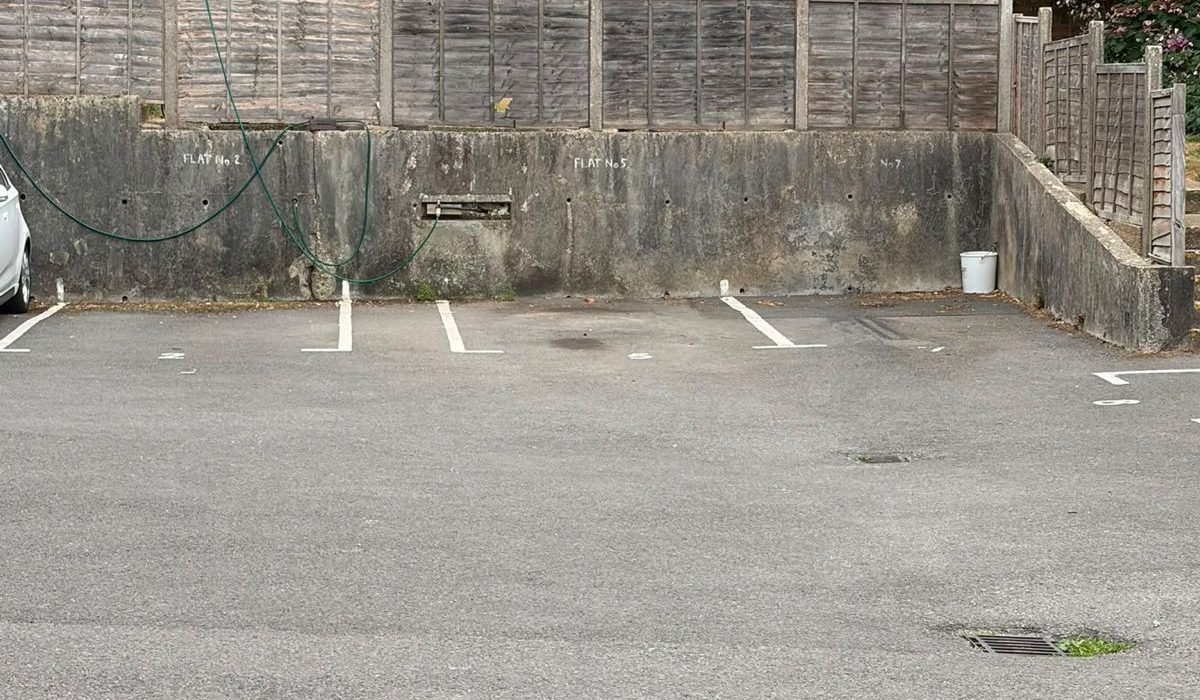
The property benefits from an allocated parking space located to the rear of the building.

Location

Mayfield Court is situated in Broad Oak, Heathfield, with countryside views and access to the surrounding East Sussex area. The setting makes this a practical option for anyone looking for a one-bedroom rental property in Heathfield or nearby villages.

cropped-KLA-Logo-no-web.png

Contact KLA

Tenancy Information

Rent: £900 pcm / £208 pw Deposit: £1,038 Holding deposit: £207 Available from: 19 August 2026 EPC rating: D Letting type: Unfurnished Bedrooms: 1 double bedroom Bathroom: 1 Reception room: 1 Parking: Allocated parking to rear Heating: Upgraded electric radiators Windows: Double glazing Council tax band: B Added benefit: Countryside views, wood floors, neutral décor, modern fitted kitchen Location: Mayfield Court, Heathfield TN21 EV charging: 2.3 miles to nearest EV charger

Tenancy Information​

Rent: £900 pcm / £208 pw
Deposit: £1,038
Holding deposit: £207
Available from: 19 August 2026
EPC rating: D
Letting type: Unfurnished
Bedrooms: 1 double bedroom
Bathroom: 1
Reception room: 1
Parking: Allocated parking to rear
Heating: Upgraded electric radiators
Windows: Double glazing
Council tax band: B
Added benefit: Countryside views, wood floors, neutral décor, modern fitted kitchen
Location: Mayfield Court, Heathfield TN21
EV charging: 2.3 miles to nearest EV charger

cropped-KLA-Logo-no-web.png

Contact KLA